









Liposuction Body Surgery in Korea
“What Is Liposuction?”
When excess fat accumulates beyond healthy levels, it can affect both physical appearance and overall health, contributing to conditions such as diabetes, high blood pressure, heart disease, and arthritis. Removing fat from the subcutaneous layer can help address both aesthetic concerns and health-related issues.
While weight loss can reduce overall body mass, it may not always achieve the desired body contouring results. For individuals looking to refine their body shape, liposuction offers a more targeted solution.
VIP’s liposuction is a body sculpting procedure that uses the tumescent technique to effectively remove excess fat deposits and create a smoother, more defined silhouette. This procedure is particularly suitable for individuals who have difficulty losing stubborn fat through diet and exercise. The tumescent method allows for the safe removal of a larger volume of fat compared to traditional liposuction, with long-lasting results.
Operation Information
- Surgery Time: 1-2 Hours
- Anesthesia Type : IV sedation or General anesthesia
- Hospitalization: None
- Stitch Removal: 7 Days
- Recovery Time: 1-2 Weeks
Types of Fat Layers
When fat accumulates beyond healthy levels, it can negatively affect both appearance and overall health, contributing to conditions such as diabetes, high blood pressure, heart disease, and arthritis. Removal of excess fat from the subcutaneous tissue can help address both aesthetic concerns and health-related issues.
What is the Tumescent Method Liposuction?
Important factors in liposuction include the amount of blood loss and the volume of fat removed. The key objective is to safely remove as much fat as possible to achieve optimal results.
Conventional liposuction typically removes about 1,000 to 2,000 cc of fat. In some cases, larger volumes may be required to achieve more noticeable results; however, removing such amounts with conventional techniques can pose health risks or require blood transfusion.
To minimize these risks, tumescent liposuction involves injecting a solution of Ringer’s lactate combined with a local anesthetic and vasoconstrictors into the targeted area. After approximately 10–20 minutes, the fat can be selectively removed with minimal blood loss.
Types of Liposuction
Based on Instruments
Suction-assisted liposuction. This procedure uses a vacuum sucker and a tiny tube, through which the fat is suctioned. Despite its wide use in the past, its use decreased with the introduction of ultrasonic procedures. Nowadays, it is on the rise again because the ultrasonic procedure is known to cause many complications.
Ultrasonic liposuction was once widely used due to its ability to selectively break down fat. However, due to drawbacks such as excessive heat generation and longer recovery times, it is now less commonly used. In some countries, including the United States, its use has become more limited due to safety concerns. Currently, it is primarily used in specific cases, such as treating dense fat or areas like the back. Newer ultrasonic technologies are being developed to address these limitations, particularly by reducing heat generation.
Lipomatic liposuction combines conventional liposuction with mechanical vibration, allowing the cannula to move more easily through fat layers. This approach reduces physical strain on the surgeon. However, one limitation is that it may reduce tactile sensitivity, making it more difficult for the surgeon to accurately assess tissue depth and positioning. As a result, the effectiveness of the procedure can depend heavily on the surgeon’s experience, as the motorized movement may limit tactile feedback from the treatment area.
Based on Instruments
Deep liposuction. This procedure is used for general-purpose liposuction. The thickness of this layer determines whether to remove it or not. Removal of this layer can make the skin droopier. Hip, in particular, should be the last part to be removed in this layer.
Superficial liposuction: The suction of subcutaneous fat leads to droopiness of the skin. This procedure is intended to attach the skin to the body effectively when the fat is removed. Only an experienced and skilled doctor must perform this procedure; otherwise, the skin can sag or overhang.
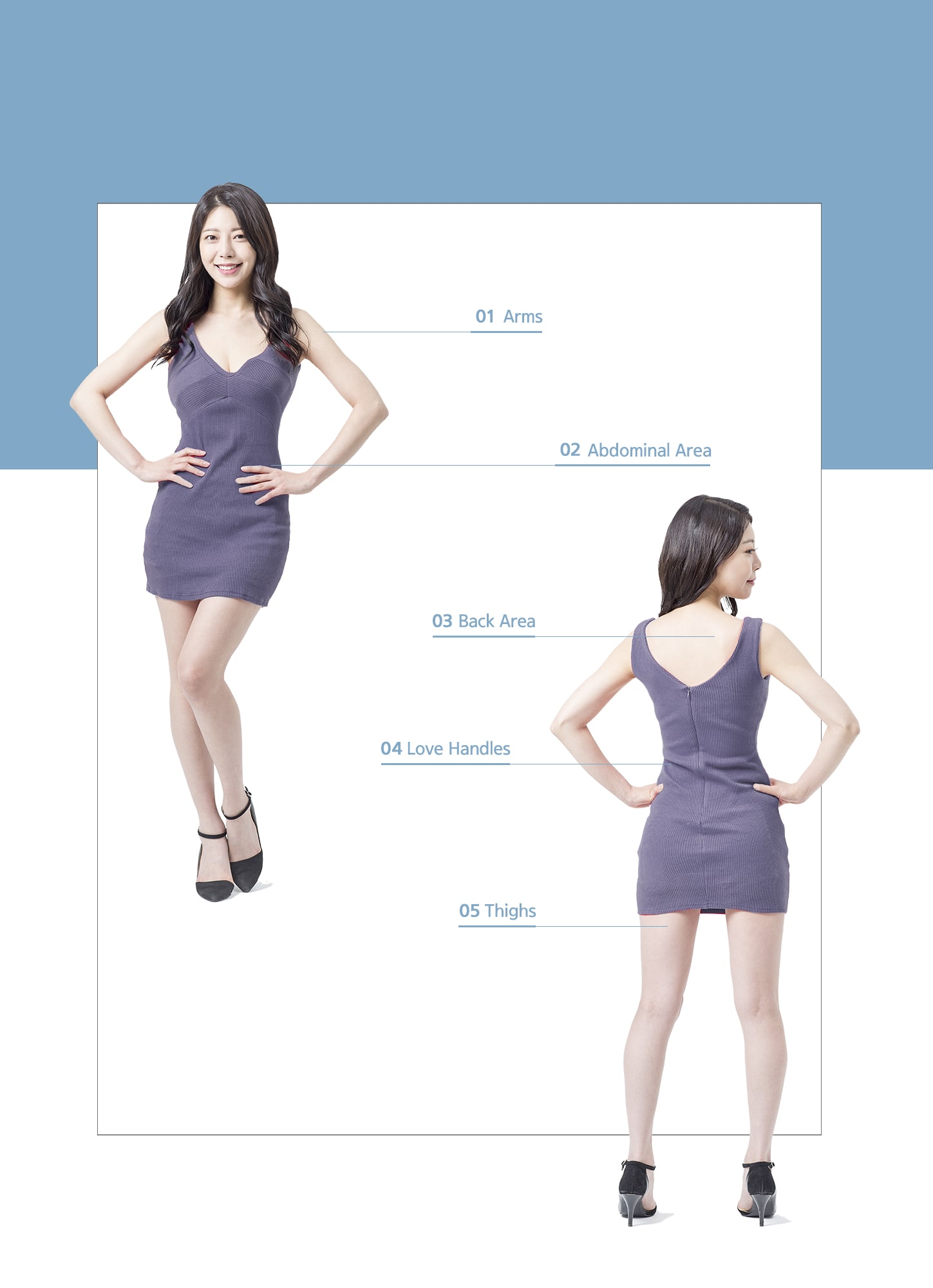
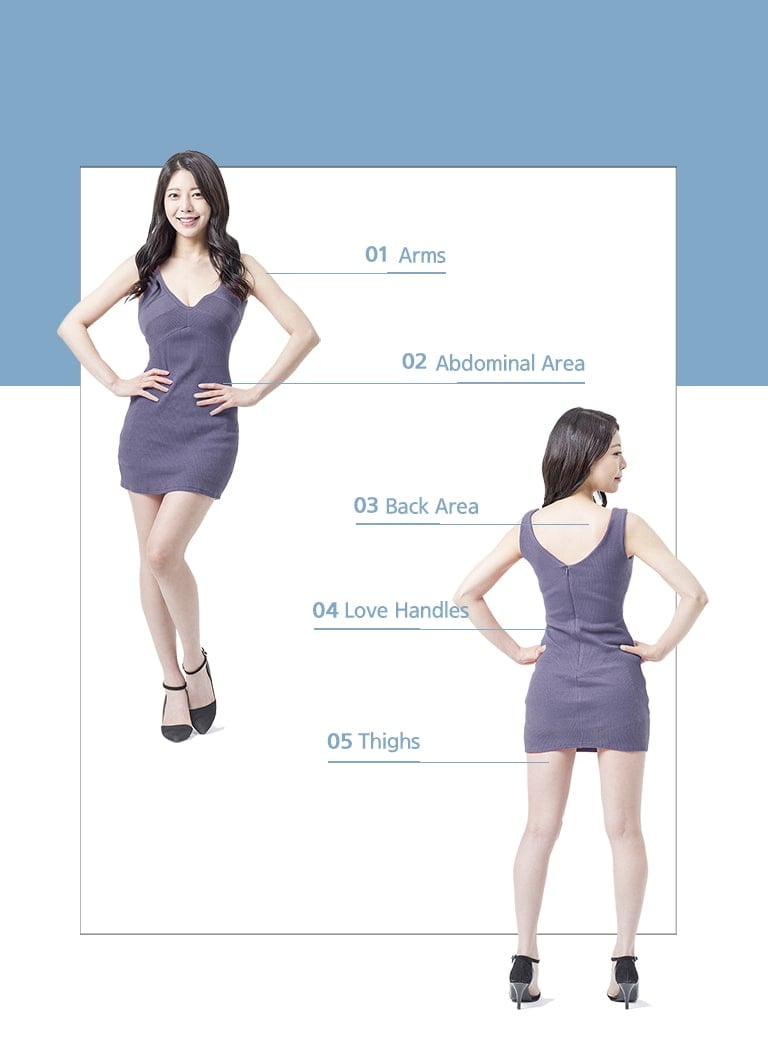
Liposuction Applied Areas
Before & After
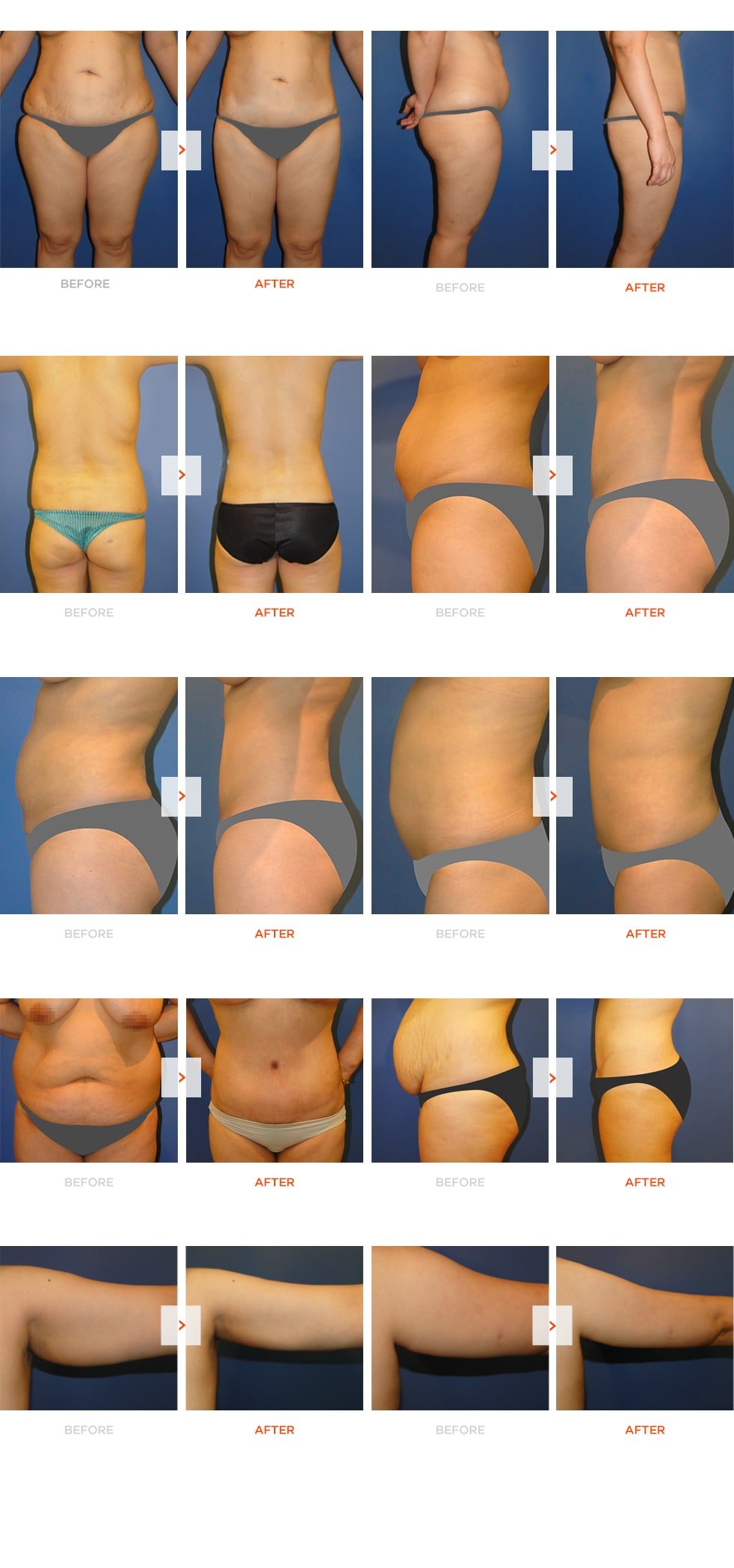
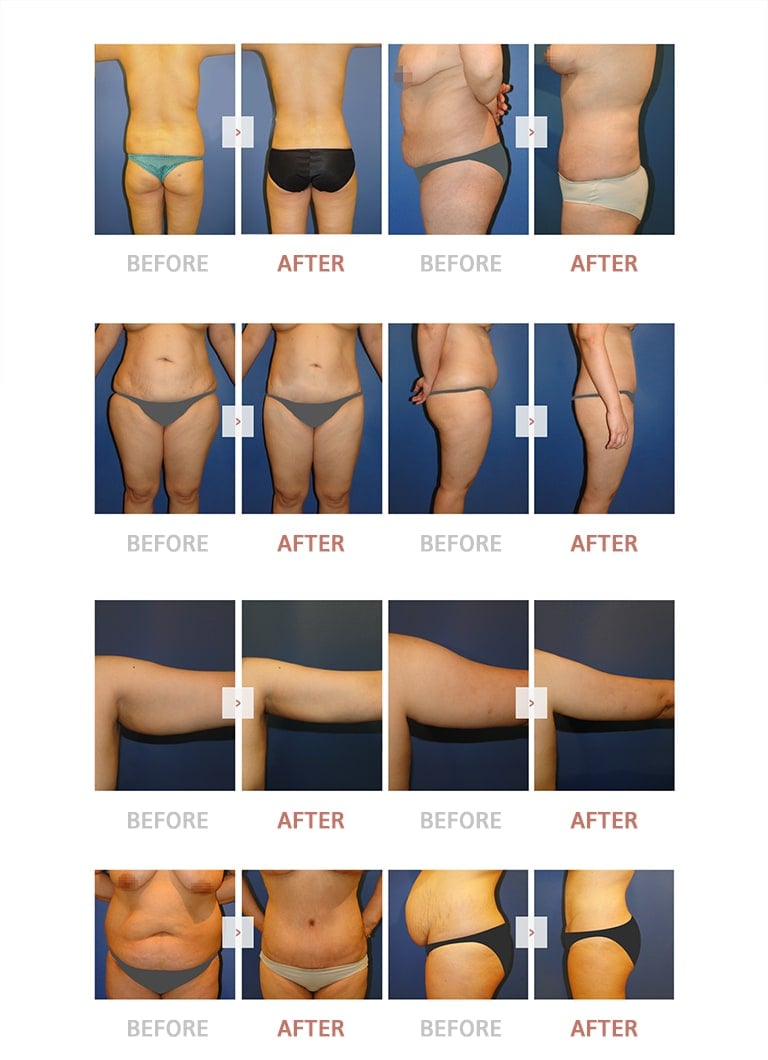
* Side effects such as inflammation after the surgery may vary for each individual and may require appropriate treatments. Please check the guidelines with the doctor.